





2025 Chevrolet Blazer EV vs. 2025 Tesla Model 3
2025 Chevrolet Blazer EV vs. 2025 Tesla Model 3
The 2025 Chevrolet Blazer EV and the 2025 Tesla Model 3 represent two different approaches to electric vehicle innovation. While the Tesla Model 3 continues to be a popular choice for those looking for a sleek and high-tech EV sedan, the Chevrolet Blazer EV stands out as a bold and versatile electric SUV designed for drivers who need more space, power, and capability. For Santa Fe drivers looking for an EV that balances performance, practicality, and advanced technology, the Blazer EV is the clear winner.
Power and Performance
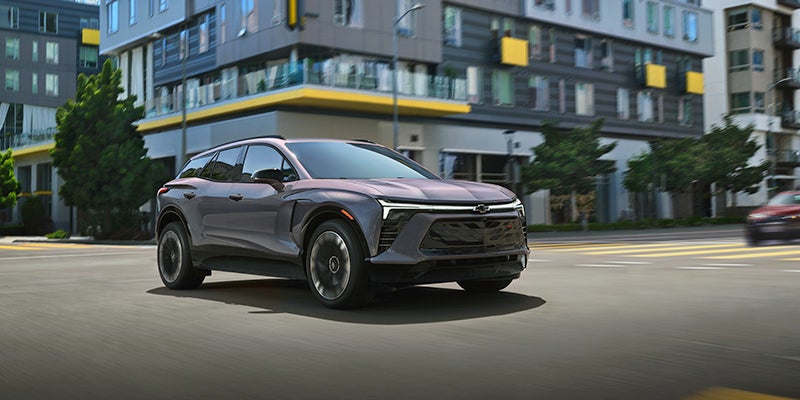
When it comes to performance, the 2025 Chevrolet Blazer EV delivers an exciting driving experience with multiple powertrain options tailored to different driving needs. The Blazer EV offers front-wheel drive, rear-wheel drive, and all-wheel drive configurations, ensuring flexibility for various driving conditions. The SS trim takes performance to the next level, delivering an estimated 557 horsepower and 0-60 mph acceleration in under 4 seconds with Wide Open Watts (WOW) mode. The 2025 Tesla Model 3, on the other hand, is a sedan with a focus on efficiency rather than raw power. While the Model 3 offers quick acceleration, its all-wheel-drive Performance model produces around 455 horsepower, which falls short of the Blazer EV SS’s thrilling output. Additionally, the Blazer EV’s SUV design provides a higher driving position and greater capability for handling rough terrain and challenging road conditions—a key advantage for drivers in Santa Fe.
Technology & Interior
Both the Chevrolet Blazer EV and the Tesla Model 3 come equipped with cutting-edge technology, but Chevrolet ensures a more user-friendly and functional experience. The Blazer EV features a 17.7-inch infotainment touchscreen, a fully digital driver display, and Google built-in with Google Maps, Google Assistant, and Google Play for seamless navigation and connectivity. Unlike Tesla, which relies on a mostly touchscreen-based control system, the Blazer EV retains physical controls for essential functions, making it more intuitive for drivers who prefer a balance between digital and manual controls. Tesla’s Model 3 has a minimalist interior with a 15-inch center touchscreen that controls nearly all vehicle functions, but this design can feel less practical for drivers who want quick access to controls without navigating through menus. Additionally, the Model 3 lacks built-in compatibility with Apple CarPlay and Android Auto, which are standard in the Blazer EV.
Range & Charging
Chevrolet ensures that the 2025 Blazer EV is built for long-distance driving with an estimated range of up to 320 miles on a full charge in select trims. The Blazer EV also supports DC fast charging up to 190 kW, adding 78 miles of range in just 10 minutes—perfect for road trips around New Mexico. The Tesla Model 3 Long Range trim offers an estimated range of around 341 miles, slightly surpassing the Blazer EV. However, Tesla relies on its proprietary Supercharger network, whereas the Blazer EV is compatible with multiple charging networks, including Electrify America and EVgo, giving drivers in Santa Fe greater flexibility when it comes to public charging.
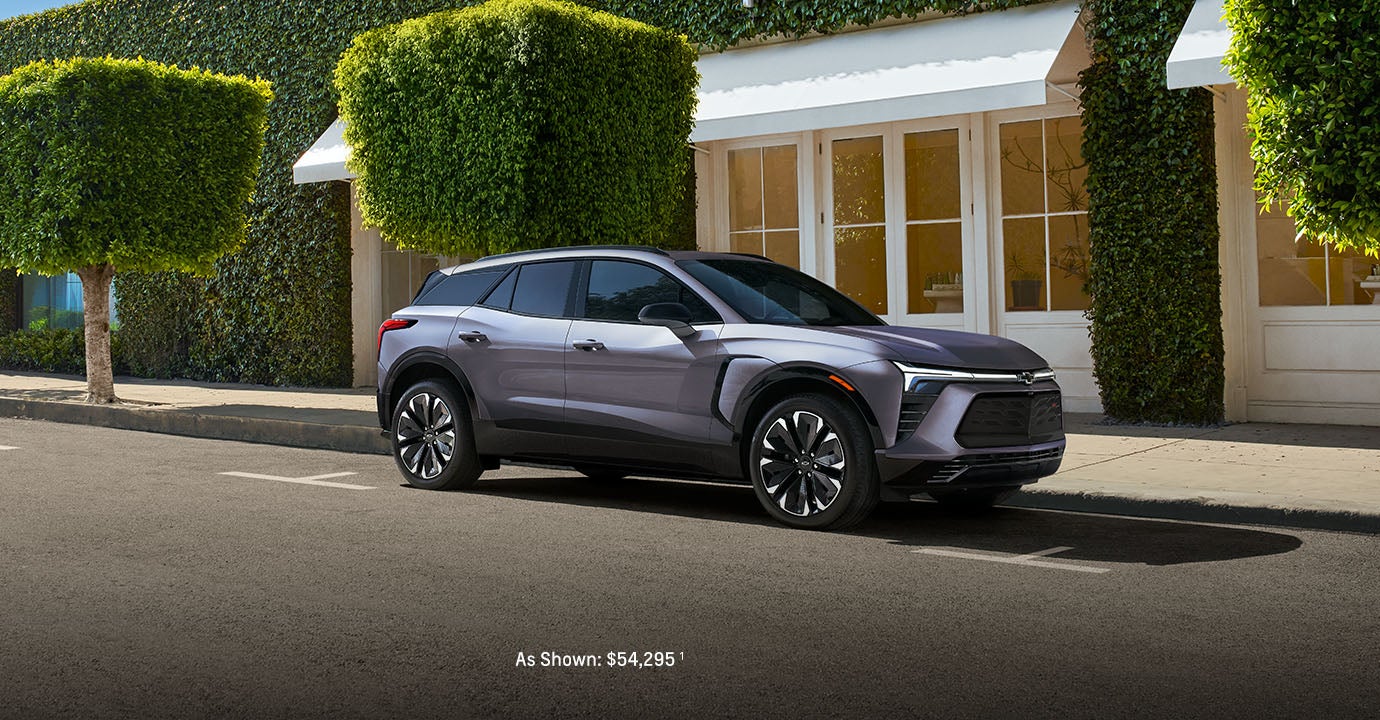
For drivers in Santa Fe, the Chevrolet Blazer EV offers a more versatile, powerful, and well-rounded electric vehicle experience. With its SUV practicality, thrilling performance, advanced technology, and industry-leading safety features, the Blazer EV outshines the Tesla Model 3 in nearly every category that matters for families, commuters, and adventure-seekers alike.